Already Had Rabies Vaccine Because of Exposure Will It Protect Me if Im Exposed Again
The deadliest viruses in history
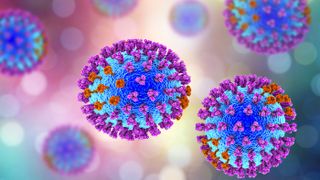
Humans have been fighting viruses long before our species had fifty-fifty evolved into its modern form. For some viral diseases, vaccines and antiviral drugs take immune us to proceed infections from spreading widely, and take helped sick people recover. For one disease — smallpox — nosotros've been able to eradicate it, ridding the world of new cases.
However, we're still a long way from defeating viruses. Several viruses have jumped from animals to humans in contempo decades, causing big outbreaks and killing thousands of people. The viral strain that drove the 2014-2016 Ebola outbreak in W Africa kills up to 90% of the people it infects, making it the nearly lethal member of the Ebola family.
Related: 20 of the worst epidemics and pandemics in history
But there are other viruses out there that are equally deadly, and some that are even deadlier. Some viruses, including the novel coronavirus currently driving outbreaks around the globe, have lower fatality rates, just still pose a serious threat to public health as we don't notwithstanding have the means to combat them.
Here are the 12 worst killers, based on the likelihood that a person will die if they are infected with 1 of them, the sheer numbers of people they have killed, and whether they correspond a growing threat.
Marburg virus
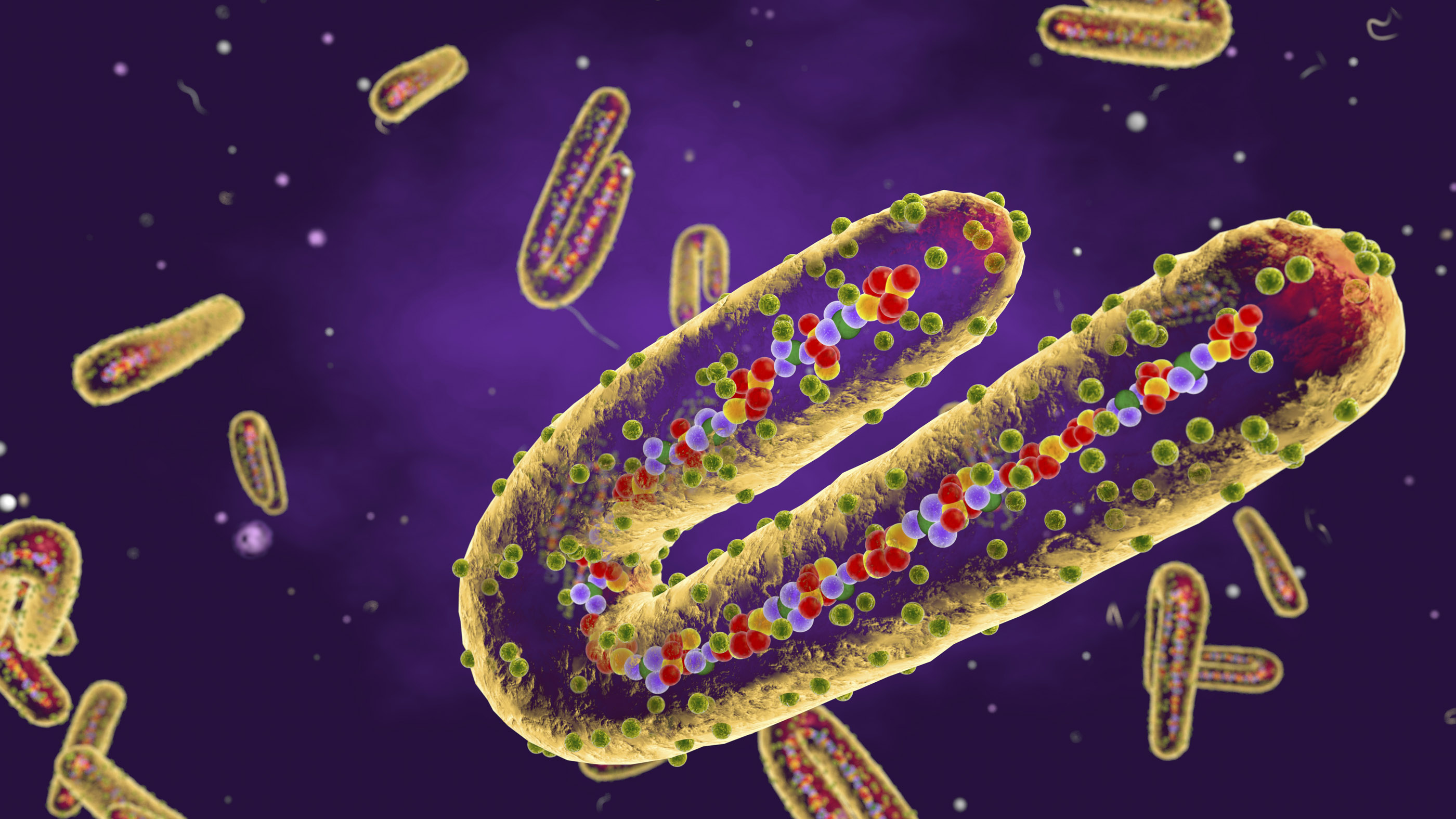
According to the Earth Health Arrangement (WHO), the Marburg virus was kickoff identified by scientists in 1967, when small outbreaks occurred among lab workers in Germany who were exposed to infected monkeys imported from Uganda. Marburg virus symptoms are like to Ebola in that both viruses can cause hemorrhagic fever, pregnant that infected people develop high fevers, and haemorrhage throughout the body that can lead to daze, organ failure and expiry, according to Mayo Clinic.
The case fatality rate in the starting time outbreak (1967) was 24%, simply it was 83% in the 1998-2000 outbreak in the Democratic Republic of Congo, and 100% in the 2017 outbreak in Republic of uganda, co-ordinate to the WHO.
The first known Marburg virus outbreak in Due west Africa was confirmed in August 2021. The case was a male from south-western Guinea, who developed a fever, headache, fatigue, abdominal pain and gingival hemorrhage. This outbreak lasted for six weeks and, while there were 170 high-risk contacts, only one example was confirmed, co-ordinate to Reuters.
Ebola virus
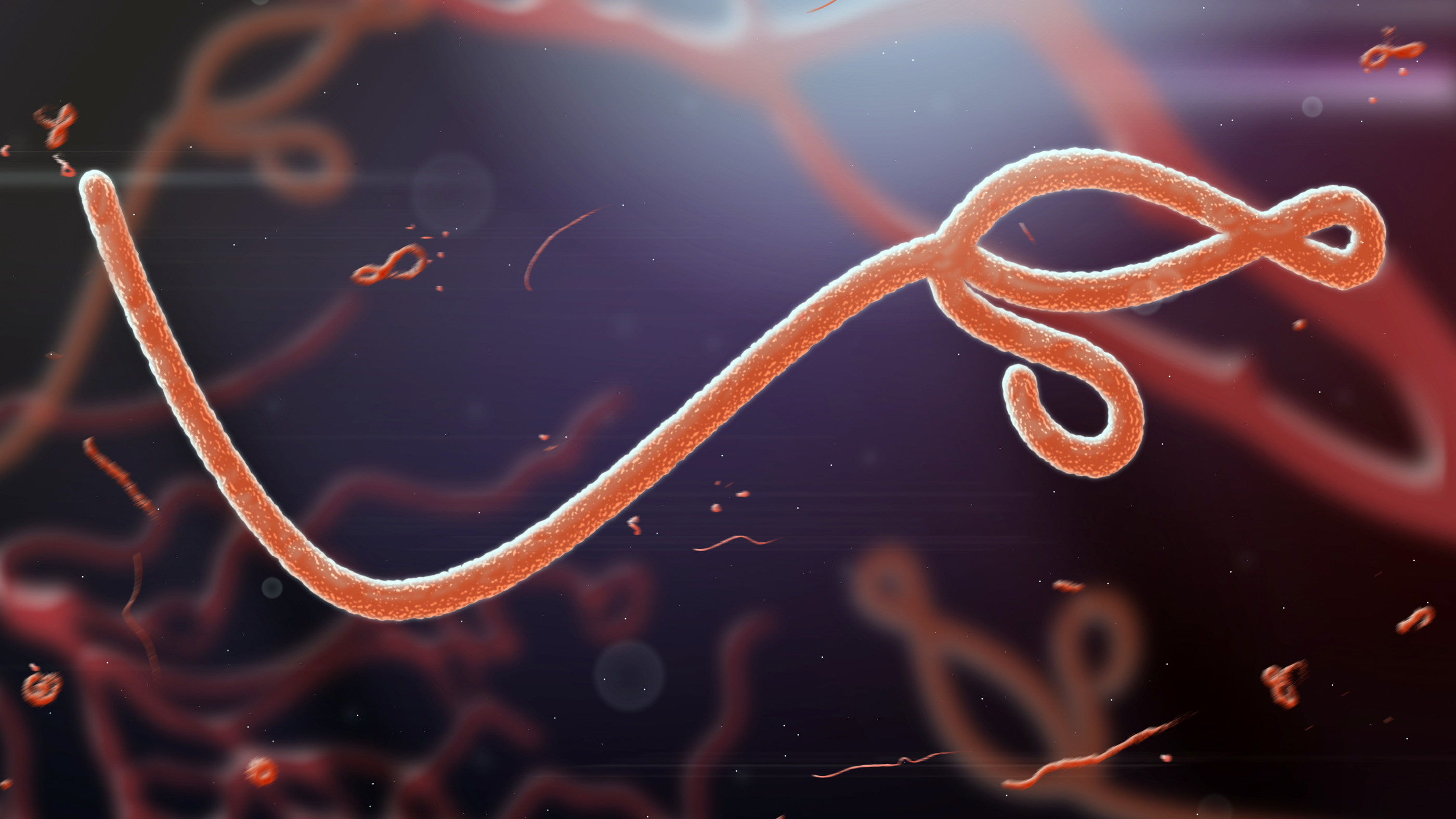
In 1976, the first known Ebola outbreaks in humans struck simultaneously in the Republic of the Sudan and the Autonomous Republic of Congo. Ebola is spread through contact with claret or other body fluids, or tissue from infected people or animals. The known strains vary dramatically in their deadliness, Elke Muhlberger, an Ebola virus expert and associate professor of microbiology at Boston Academy, told Live Science.
One strain, Ebola Reston, doesn't even make people sick, co-ordinate to Essential Human Virology (2016). But for the Bundibugyo strain, the fatality rate is upward to 50%, and it is up to 71% for the Sudan strain.
The outbreak underway in West Africa began in early 2014, and is the largest and near complex outbreak of the disease to date, according to the WHO.
In Dec 2020, the Ervebo vaccine was approved by the U.S. Food and Drug Administration. This vaccine helps to defend confronting the Zaire ebola virus and a global stockpile became bachelor from January 2021.
Rabies
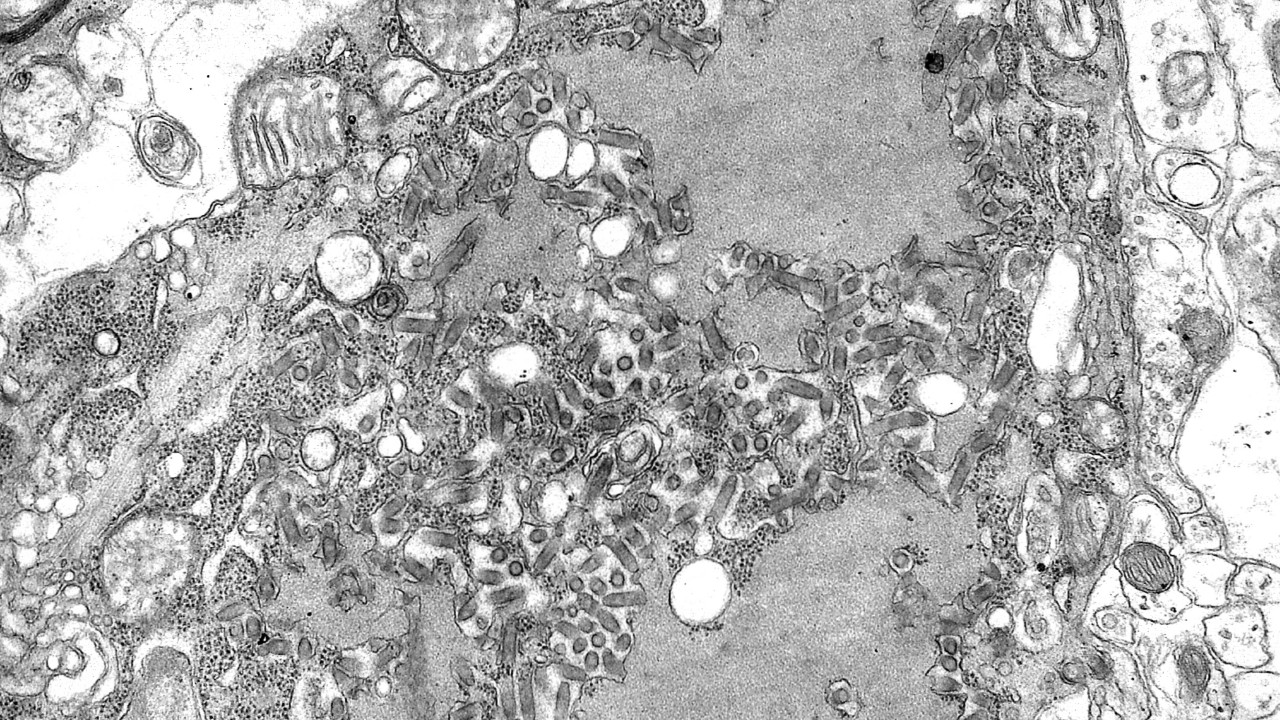
Although rabies vaccines for pets, which were introduced in the 1920s, helped to make the illness extremely rare in the adult world, this condition remains a serious problem in India and parts of Africa.
Infection from this virus develops later on a bite or scratch from an infected animal. This tin result in damage to the brain and nerves. Once symptoms begin to show, death nigh always follows, according to the National Wellness Service (NHS).
"It destroys the brain, it's a really, really bad disease," Muhlberger said. "Nosotros have a vaccine against rabies, and nosotros have antibodies that work against rabies, so if someone gets bitten by a rabid animate being we can treat this person," she said.
All the same, she said, "if you don't get treatment, there's a 100% possibility yous volition die."
HIV
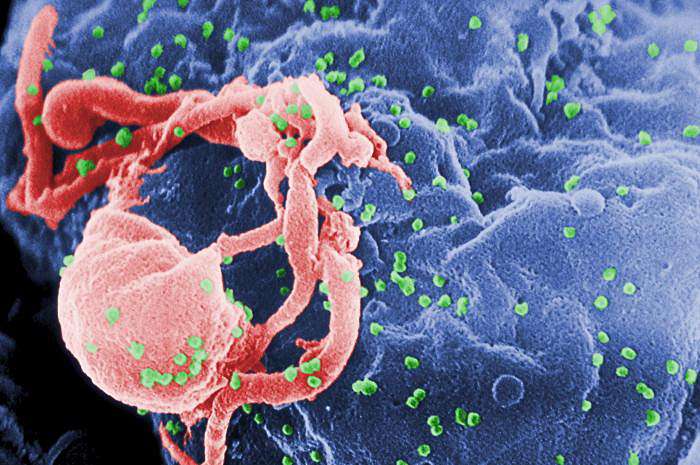
In the modern world, the deadliest virus of all may be HIV. "Information technology is still the 1 that is the biggest killer," said Dr. Amesh Adalja, an infectious disease doc and spokesman for the Infectious Disease Social club of America.
An estimated 32 million people have died from HIV since the disease was first recognized in the early 1980s. "The infectious disease that takes the biggest price on flesh right now is HIV," Adalja said.
Powerful antiviral drugs have made it possible for people to alive for years with HIV. But the disease continues to devastate many low- and middle-income countries, where 95% of new HIV infections occur.
Nearly 1 in every 25 adults inside the WHO African region is HIV-positive, meaning that there are over two-thirds of the people living with HIV worldwide, according to the WHO. In 2020, in that location were 680,000 HIV-related deaths worldwide.
Smallpox

In 1980, the World Wellness Associates declared the world costless of smallpox. Simply earlier that, humans battled smallpox for thousands of years, and the illness killed nigh 1 in three of those information technology infected, according to the BBC. It left survivors with deep, permanent scars and, often, blindness.
In populations outside of Europe, where people had little contact with the virus earlier visitors brought information technology to their regions, mortality rates were much college. For case, historians estimate that smallpox, which was introduced by European explorers, killed xc% of the native population of the Americas. In the 20th century alone, smallpox killed 300 million people, the BBC reported.
"It was something that had a huge burden on the planet, not just death but as well blindness, and that's what spurred the campaign to eradicate from the Earth," Adalja said.
Hantavirus
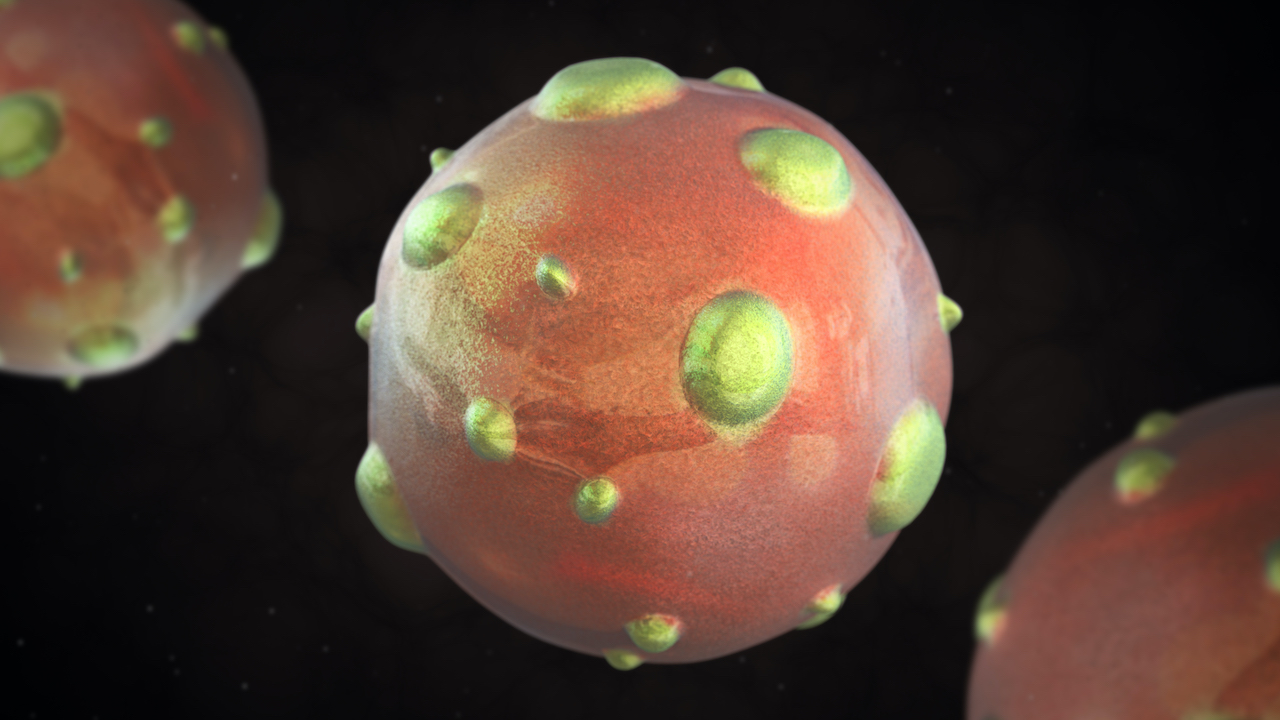
Hantavirus pulmonary syndrome (HPS) first gained wide attention in the U.S. in 1993, according to the Centers for Disease Control and Prevention (CDC). A healthy, immature Navajo human being and his fiancée living in the 4 Corners area of the United States died inside days of developing shortness of jiff. A few months after, wellness authorities isolated hantavirus from a deer mouse living in the habitation of 1 of the infected people. More than than 600 people in the U.Due south. have now contracted HPS, and 36% take died from the disease, according to the CDC.
The virus is non transmitted from one person to another, rather, people contract the disease from exposure to the droppings of infected mice.
Previously, a dissimilar hantavirus caused an outbreak in the early 1950s, during the Korean War, according to a 2010 paper in the journal Clinical Microbiology Reviews. More than than three,000 United nations troops became infected, and about 12% of them died.
While the virus was new to Western medicine when information technology was discovered in the U.S., researchers realized later that Navajo medical traditions describe a similar affliction, and linked the disease to mice.
Flu
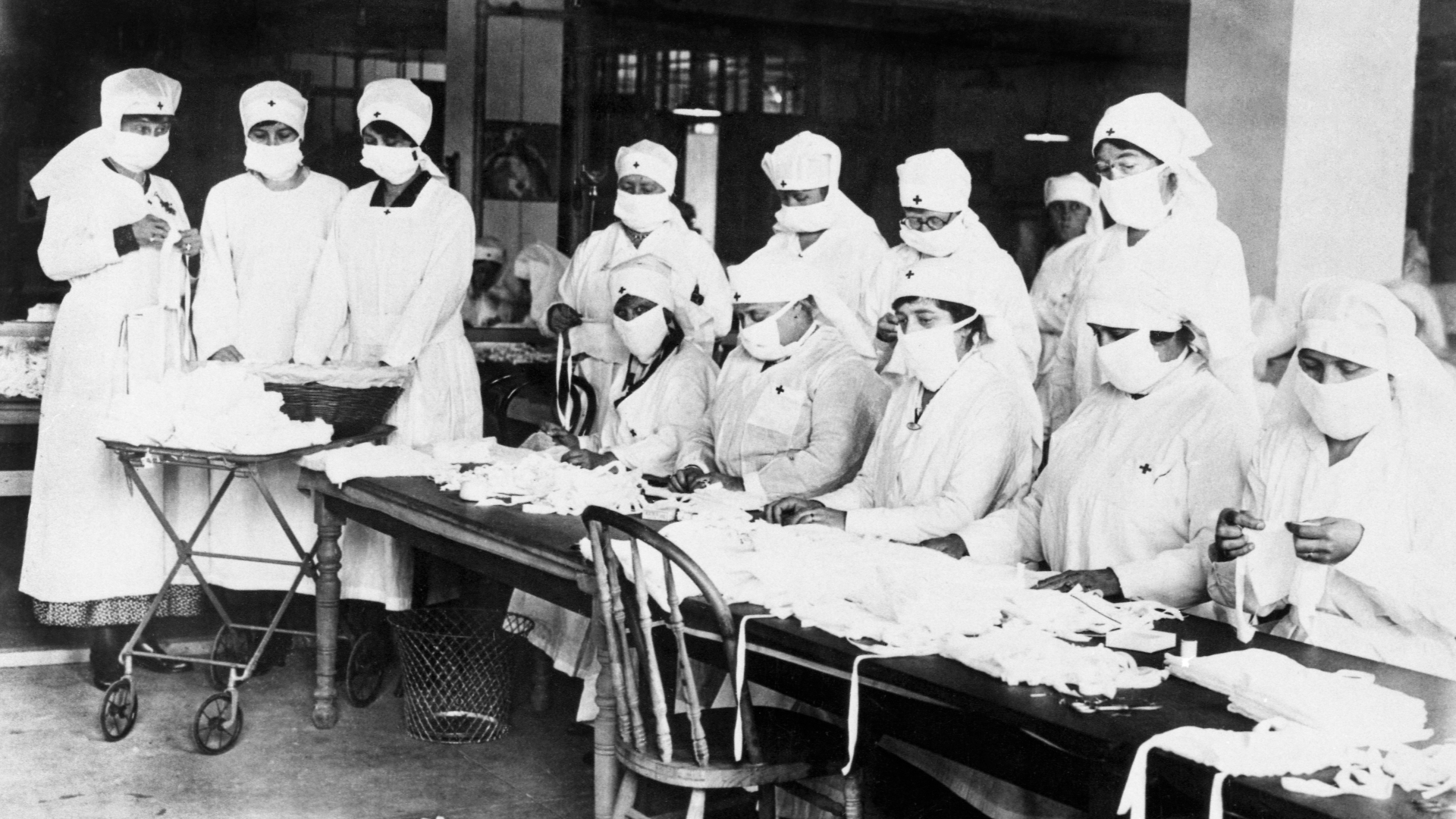
During a typical flu flavor, up to 650,000 people worldwide will die from the illness, according to WHO. Just occasionally, when a new flu strain emerges, a pandemic results in a faster spread of disease and, oft, higher bloodshed rates.
The most deadly flu pandemic, sometimes chosen the Spanish influenza, began in 1918 and sickened up to 40% of the world's population, killing an estimated l million people, co-ordinate to CDC.
"I think that it is possible that something like the 1918 flu outbreak could occur again," Muhlberger said. "If a new influenza strain plant its manner in the human population, and could be transmitted easily between humans, and caused severe illness, nosotros would have a big problem."
Dengue
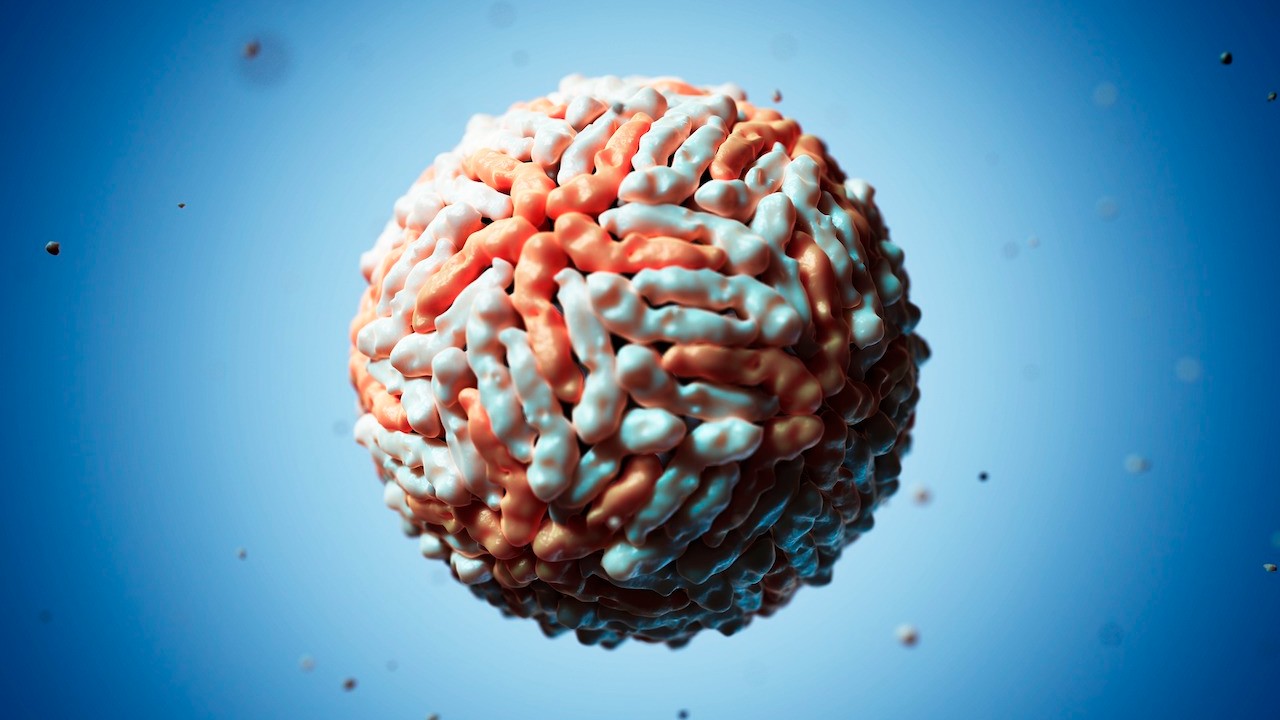
Dengue virus first appeared in the 1950s in the Philippines and Thailand and has since spread throughout the tropical and subtropical regions of the globe, co-ordinate to Clinical Microbiology Reviews. Up to 40% of the world's population now lives in areas where dengue is endemic and the disease, according to the journal Nature — with the mosquitoes that acquit it — is likely to spread farther equally the world warms.
According to WHO, dengue infects 100 to 400 million people a year although dengue fever has a lower mortality charge per unit than some other viruses, at around 1%, the virus can cause an Ebola-like disease chosen dengue hemorrhagic fever, which has a bloodshed rate of 20% if left untreated. "We actually demand to recollect more about dengue virus because information technology is a existent threat to us," Muhlberger said.
A vaccine for Dengue was approved in 2019 past the U.S. Food and Drug Assistants for utilize in children 9-16 years old living in areas where dengue is mutual and with a confirmed history of virus infection, according to the CDC. In some countries, an approved vaccine is available for those nine-45 years old, but once more, recipients must take contracted a confirmed instance of dengue in the past. Those who have non defenseless the virus earlier could be put at take a chance of developing severe dengue if given the vaccine.
Rotavirus
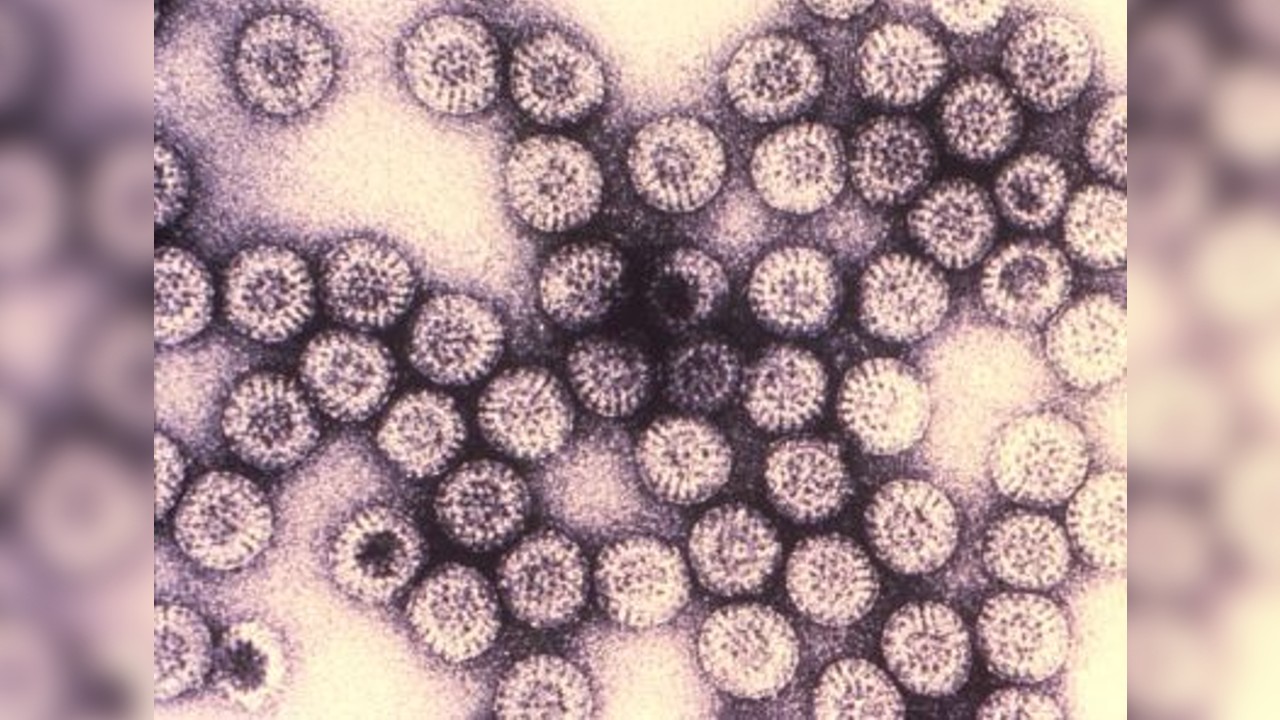
Ii vaccines are at present bachelor to protect children from rotavirus, the leading cause of severe diarrheal illness among babies and young children. The virus tin spread quickly, through what researchers telephone call the fecal-oral route (pregnant that small particles of carrion end up being consumed).
Although children in the developed world rarely die from rotavirus infection, the disease is a killer in the developing world, where rehydration treatments are non widely available.
The WHO estimates that worldwide, there are more than 25 million outpatient visits and two one thousand thousand hospitalizations each year due to rotavirus infections. Countries that have introduced the vaccine take reported sharp declines in rotavirus hospitalizations and deaths.
SARS-CoV
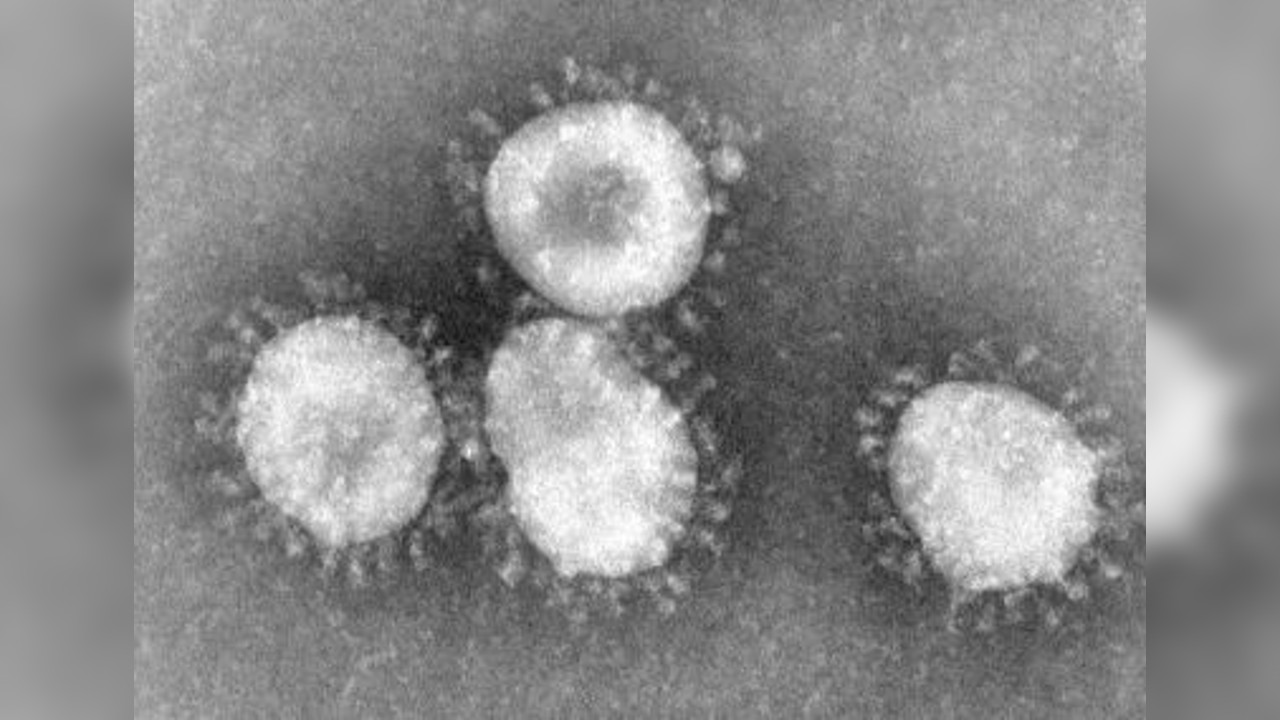
The virus that causes severe acute respiratory syndrome, or SARS, was first identified in 2003 during an outbreak in People's republic of china, according to the WHO. The virus likely emerged in bats initially, then hopped into nocturnal mammals called civets before finally infecting humans, according to the Periodical of Virology. After triggering an outbreak in China, SARS spread to 26 countries around the world, infecting more than than 8000 people and killing more than 770 over the course of several months, according to History.com.
The disease causes fever, chills and body aches, and often progresses to pneumonia, a severe status in which the lungs get inflamed and fill with pus. SARS has an estimated mortality charge per unit of 9.6%, nevertheless, no new cases of SARS take been reported since the early 2000s, according to the CDC.
SARS-CoV-two
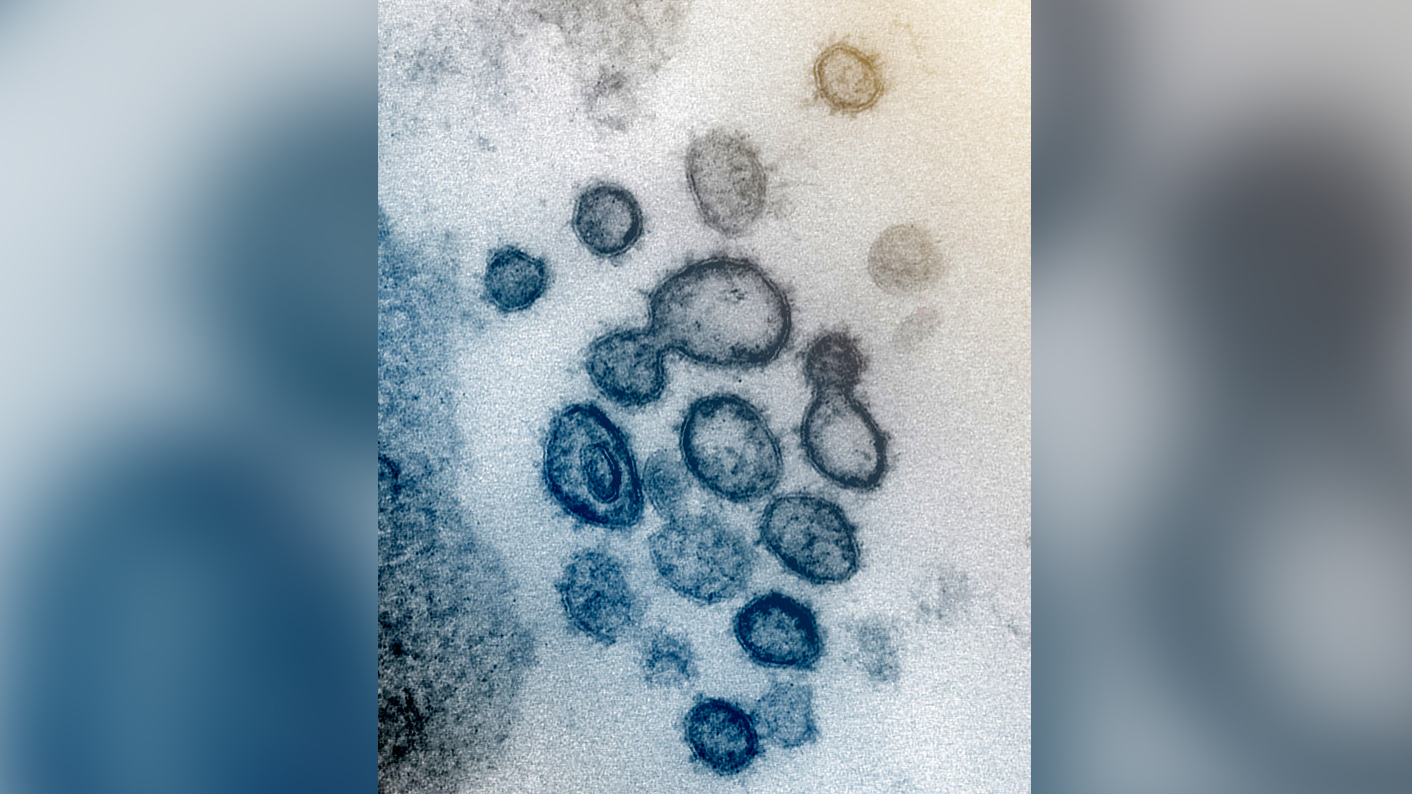
SARS-CoV-2 belongs to the same large family unit of viruses equally SARS-CoV, known as coronaviruses, and was first identified in December 2019 in the Chinese city of Wuhan. The virus may accept originated in bats and passed through an intermediate animal before infecting people, according to Nature.
The initial outbreak prompted an extensive quarantine of Wuhan and nearby cities, restrictions on travel to and from affected countries and a worldwide effort to develop diagnostics, treatments and vaccines. Since its advent, the virus has acquired over 5 million deaths worldwide, co-ordinate to Reuters.
The disease acquired by SARS-CoV-2, chosen COVID-nineteen, poses a higher risk to people who have underlying health conditions, according to WHO. Common symptoms include fever, cough, loss of gustatory modality or olfactory property and shortness of breath and more serious symptoms include breathing difficulties, chest pain and loss of mobility.
On Aug. 23 2021 the U.S. Food and Drug Administration canonical the first COVID-xix vaccine, chosen Pfizer-BioNTech. In December 2020, this vaccine became the first to exist canonical after a big clinical trial, co-ordinate to Nature.
MERS-CoV
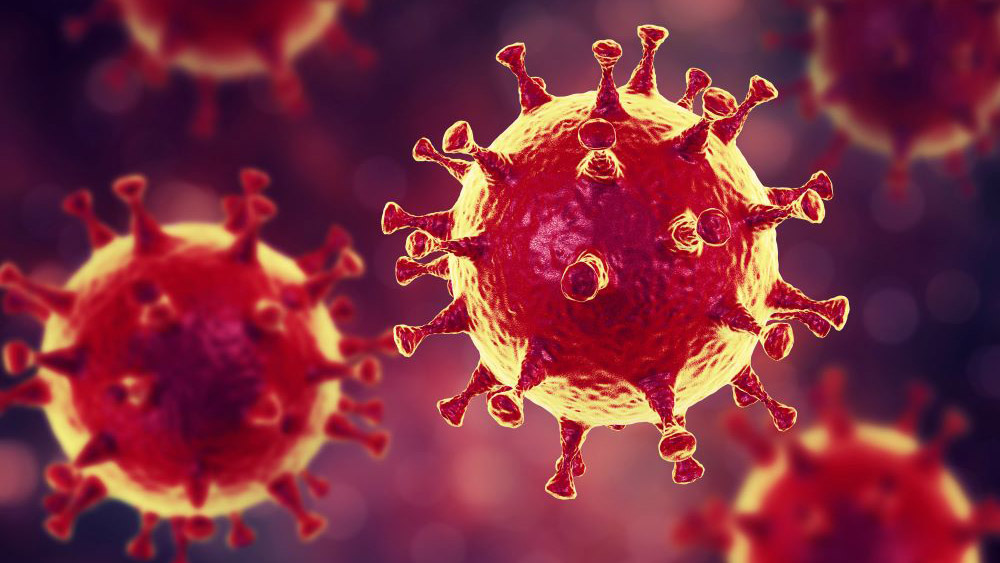
The virus that causes Middle East respiratory syndrome, or MERS, sparked an outbreak in Kingdom of saudi arabia in 2012 and another in Republic of korea in 2015. The MERS virus belongs to the aforementioned family unit of viruses equally SARS-CoV and SARS-CoV-ii. According to WHO, the disease infected camels before passing into humans and tin can trigger a fever, cough and shortness of jiff in infected people.
MERS, which is most common in the Middle East, often progresses to severe pneumonia and has an estimated bloodshed rate of around 35%. There is no vaccine available to forestall this disease, according to the NHS. The best mode to reduce the chances of infection is to launder hands regularly, avert contact with camels and non consume products containing raw animal milk.
Source: https://www.livescience.com/56598-deadliest-viruses-on-earth.html

Post a Comment for "Already Had Rabies Vaccine Because of Exposure Will It Protect Me if Im Exposed Again"